

Hållbarhet
Bra material, ärligt tillverkade
Vi arbetar utifrån 17 principer för ansvarsfull produktion, genom råvaror, produktion och livscykel: inte som ett marknadsföringspåstående, utan som den standard vi kontinuerligt kontrollerar vårt arbete mot.
Vi anser att bra material och ärlig produktion inte ska vara ett marknadsföringsknep. De ska vara något du faktiskt kan kontrollera. Denna övertygelse ligger nu till grund för sjutton principer som genomsyrar allt vi gör: de råvaror vi väljer, hur de tillverkas och vad som händer efter att du har använt dem.
Det började som ett litet löfte, långt innan det blev ett formellt ramverk. Nedan följer den berättelsen och de sjutton principer som växte fram ur den: principer som vi fortsätter att utveckla och som vi använder för att granska vårt eget arbete.
Var det började
Vi var inte branschexperter
När Mathilda grundade Juniper kom hon från detaljhandeln, inte textiltillverkning. Det började med en bröllopsresa till Mallorca 2018, i ett hotellrum med underlakan som var olikt något hon hade sovit i tidigare. Tillbaka i Palma frågade hon vad en sådan uppsättning faktiskt skulle kosta, flög hem till Stockholm utan dem, och kunde inte sluta undra varför den kvaliteten var förbehållen hotellgäster. Vad hon fann var en industri byggd på långa, ogenomskinliga leveranskedjor, och en känsla av att det måste finnas ett bättre sätt att göra detta på.
Så vi började i liten skala, med en produkt och ett löfte: att spåra den ärligt, från frö till dörr.
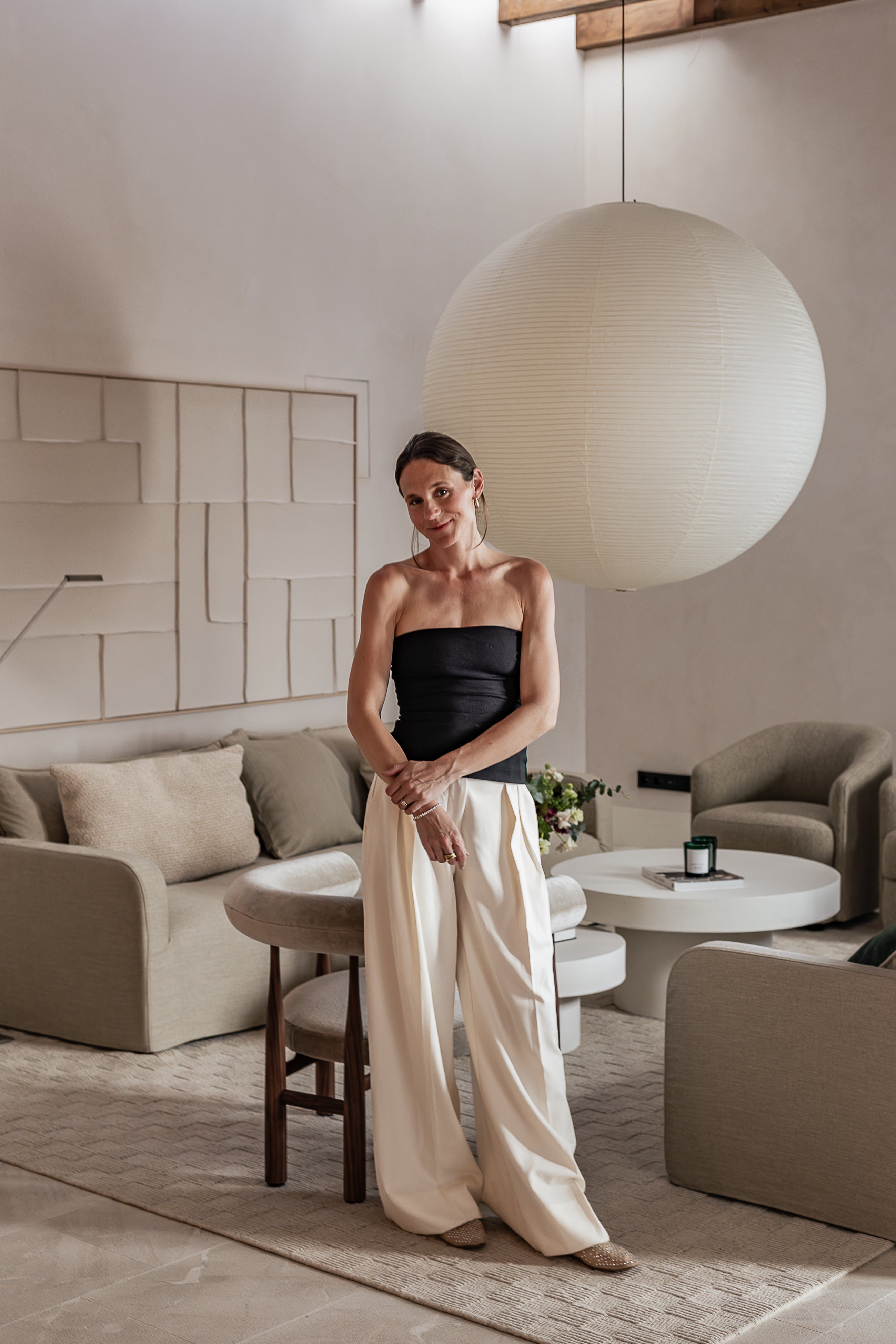
Det löftet höll sig inte litet länge. Sängkläder följdes av handdukar 2021, därefter badrockar, siden och till sist en liten serie doftprodukter för hemmet, alla hållna till samma standard som den första. Det tog fyra år, och ett utbud långt bortom en enda produkt, innan den standarden behövde skrivas ner ordentligt: inte längre ett enda löfte, utan ett ramverk byggt för att hålla ihop ett helt sortiment.

Ramverket
Ett löfte, som vuxit till sjutton principer
Råvaror
Djurvälfärd
- Källmaterial som prioriterar djurskydd, hållbarhet och etik.
Biologisk mångfald
- Minska vår påverkan på den biologiska mångfalden.
- Ge ekonomiska bidrag för att skydda den.
Produktion
Fabriker
- Endast Tier 1-fabriker inom EU.
- Fullt ansvar även för Tier 2- och Tier 3-fabriker.
- Främja rättvis lön, inkludering och mångfald överallt.
Leveranskedja
- Använd aldrig flygfrakt.
- Minimera logistisk distans.
- Eliminera onödiga mellanhänder.
Förpackning
- Ingen konventionell oljebaserad nytillverkad plast.
- Överdriv aldrig förpackningar för lyxens skull.
Livscykelhantering
Hållbarhet
- Designa för maximal hållbarhet.
- Ge skötsel- och förnyelsevägledning för att förlänga produktens livslängd.
Klimat
- Minimera koldioxidutsläppen i hela vår leveranskedja.
- Ge ekonomiska bidrag till klimatpositiva åtgärder.
Återanvändning och återvinning
- Ge returnerade produkter ett nytt liv.
- Vägled kunder om återanvändning och återvinning vid uttjänta produkter.
Sjutton principer är lätta att skriva ner. Det som är svårare är att göra dem synliga i de dagliga besluten bakom en produkt: fabriken som valdes framför en annan, materialet vi valde bort, detaljerna ingen bad oss lägga till. Några av dessa beslut, och principen bakom var och en, följer nedan.
Bomull, i praktiken
Bomull är inte den mest hållbara fibern. Vi valde den ändå
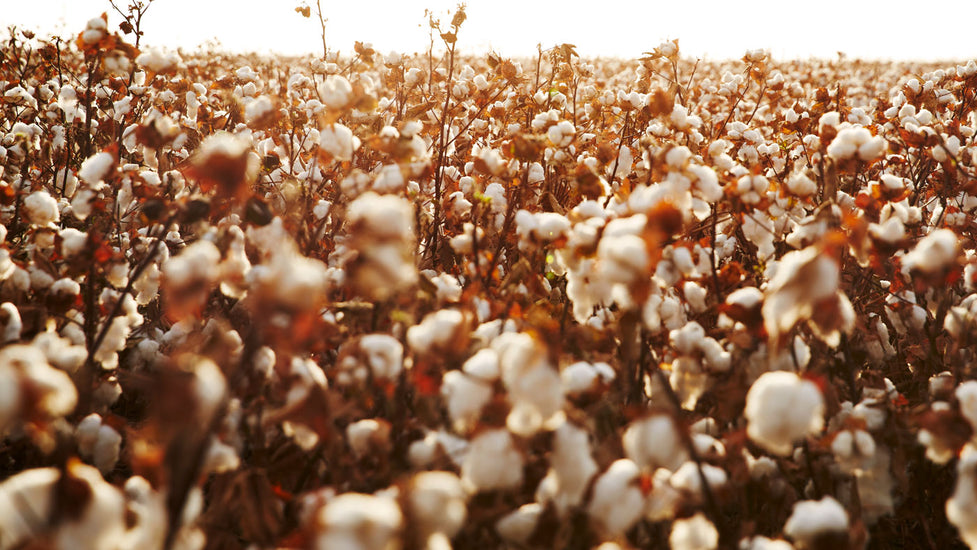
Bomull är inte den mest hållbara råvaran som finns, och det tänker vi inte förneka. Men bland bomullssorter är Supima ett av de mest ansvarsfulla valen: en extra långfibrig sort som odlas på omkring 500 familjeägda gårdar, uppskattad för en kvalitet som gör att en uppsättning håller i åratal, inte bara en säsong. Och sängkläder är en produkt där den kvaliteten verkligen kommer till sin rätt: de används i åratal, natt efter natt, på ett sätt som få andra bomullsprodukter kan mäta sig med, kläder inräknat.
Även i det valet strävar vi efter mindre spill. Viktmässigt utgör den bomullsfiber vi faktiskt använder bara cirka 35% av den plockade växten. Allt annat (stjälkar, blad och frön) tas tillvara vid rensningen och används, det mesta som strö för boskap. Fröet i sig ger bomullsfröolja, uppskattad just för att den är smaklös, luktfri och har en hög flampunkt. Enligt lag måste varje fält rensas från växtmaterial vid skördens slut, så att skadedjur inte förs vidare till nästa säsong.
Djurskydd, i praktiken
Läder, dun och ägg hade varit enklare. Vi sa nej
Som ett varumärke inom heminredning utvärderar vi ständigt nästa produkt att lägga till, och läder, dun och ägg skulle vara de mest självklara materialen att välja: läder för inredning, dun för kuddfyllning, ägg som en traditionell tvålingrediens. Vi har bestämt oss för att inte använda något av dem. Istället låter vi utvecklingen ta längre tid: forskar om alternativ, pratar med experter och testar prototyper tills vi hittar ett material vi är bekväma med.
Det är samma standard som ligger bakom vår silkeskollektion, skapad av 100% mullbärssilke: där använder vi metoden fredssilke, som innebär att silkesmaskarna lämnas ostörda för att fullfölja sin livscykel och lämna kokongen naturligt, istället för att skördas inuti den.
Fabriker, i praktiken
Varför våra sängkläder tillverkas i Porto, inte där det är billigast
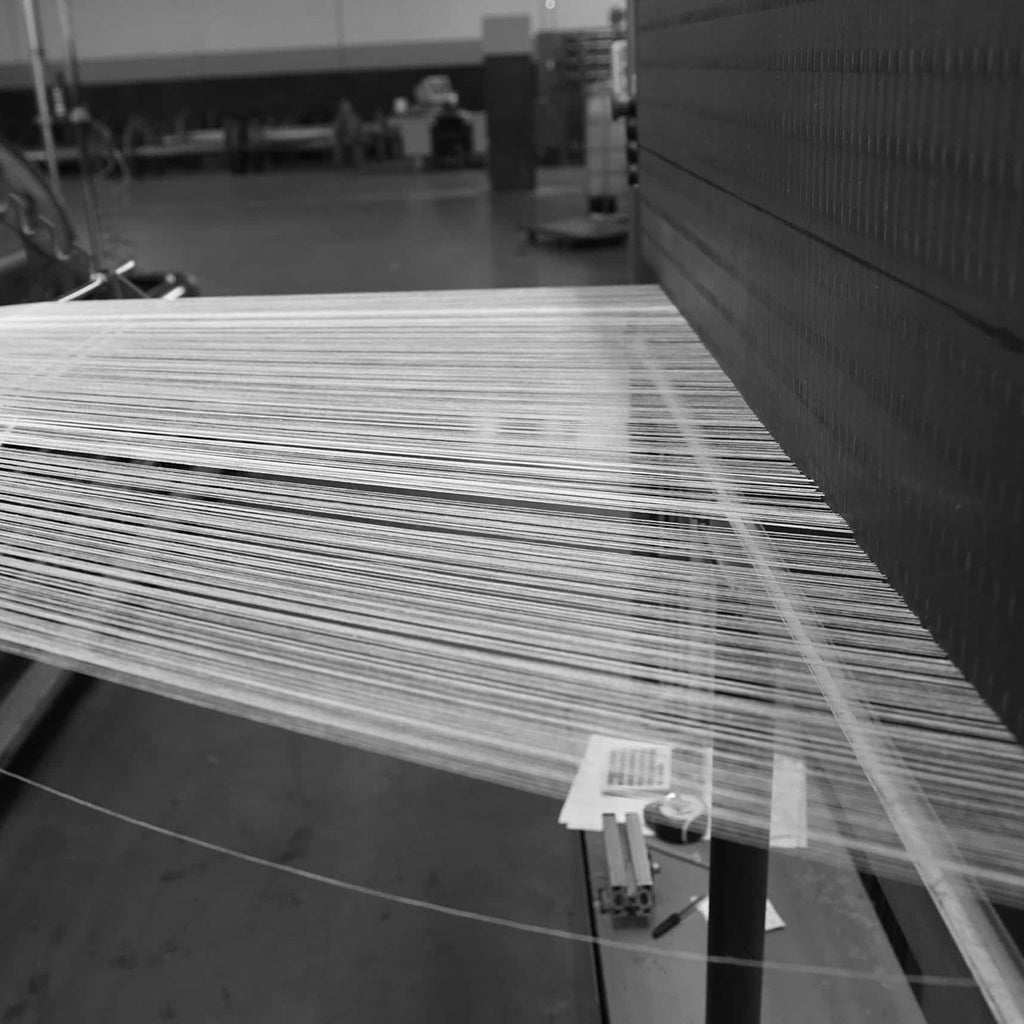
Som ett litet företag är vår förmåga att regelbundet kontrollera arbetsförhållandena i våra fabriker begränsad. Så år 2020 beslutade vi att varje Tier-1-fabrik i vår leverantörskedja skulle vara en EU-fabrik, där arbetarskyddet helt enkelt är starkare. Det innebar att vi hittade ett nytt hem för våra sängkläder i Porto, Portugal. Det kom med en extra bonus: Portugal, liksom Sverige, har helt fasat ut kolkraft.
Vi kräver också att varje fabrikspartner är transparent med vilka Tier-2- och Tier-3-fabriker som är involverade tidigare i kedjan, och vi gör vårt bästa för att verifiera även dessa.
Spårbarhet, i praktiken
En etikett som faktiskt svarar på din fråga
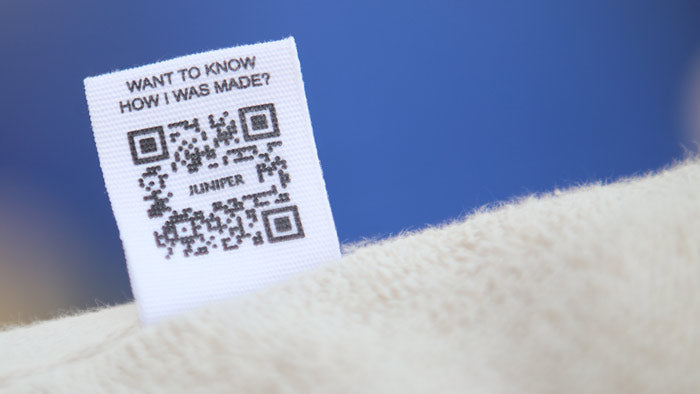
Varje Juniper-produkt har en QR-kod på sin ”Made-In”-etikett, som spårar samma resa från råfiber till din dörr. Vi spårar själva våra egna råvaror bakåt genom värdekedjan, steg för steg: fiber, garn, tyg, färdig produkt. Det är en del av hur vi håller oss ansvariga enligt våra 17 principer: inte ett löfte som bara ges en gång, utan en standard vi ständigt kontrollerar vårt arbete mot.
Leveranskedjan i praktiken
Vi väntar hellre än flyger in den
Globala leveranskedjor är svåra att förändra över en natt, men vi kan välja vilka vi samarbetar med. Vi har åtagit oss att aldrig använda flygfrakt, inte ens när vi har slut i lager och skulle kunna få in nya varor snabbare genom att flyga dem. Istället informerar vi ärligt om detta på hemsidan och låter dig avgöra om det är värt att vänta.
Förpackningar, i praktiken
Förpackningar som försvinner på år, inte århundraden
Varje produkt behöver någon form av förpackning: för att skydda den från våra fabriker till vårt lager i Jordbro, Sverige, och sedan igen på väg till dig. Vi har aldrig använt konventionell oljebaserad nyplast till det, och sedan 2021 har varje innerförpackning varit 100% biologiskt nedbrytbar. Det kostar lite mer, men om en sådan mot förmodan skulle hamna där den inte borde, bryts den ned på cirka tre år, inte århundraden.
Hållbarhet i praktiken
En dubbelsöm som förlänger livslängden med flera år
Att en produkt håller länge pratas det sällan om som en hävstång för hållbarhet, men det är en av de största: en produkt som används i åratal istället för veckor gör en verklig skillnad (tänk på sängkläder kontra kläder, i timmar av faktisk användning).
Det är därför den första utgåvan av våra handdukar hade en enkel söm, standard för detaljhandeln, och den andra utgåvan fick en dubbel söm, standard inom hotellbranschen men ovanligt för en handduk du köper för hemmet. Vår egen fabrik tyckte att det var onödigt. Vi ansåg att det var värt det för att förlänga produktens livslängd.

Utvecklas ständigt
Vi kommer inte att kalla detta för färdigt
Vi tror inte att vi har löst detta, och vi förväntar oss inte att göra det. Vi fortsätter att pressa oss själva att bli bättre, och vi vill att resten av branschen också ska höja sin standard.