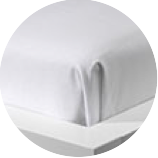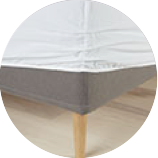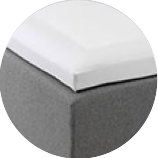
What is sateen?

What is Sateen?
If you appreciate bed linens that are soft, smooth, and luxurious, you may have heard of satin. But what exactly is satin, how does it differ from other materials, and why is it a popular choice for bedding?
Here is everything you need to know.
Quick answer: Sateen is a weave type, not a material. It uses a four-over-one-under thread pattern to create smooth, lustrous cotton sheets. Sateen is the cotton version of satin — same weave, different fiber. Juniper uses 400TC Supima cotton sateen for hotel-quality softness and durability.
The Sateen Weave
Sateen is not a material but a specific weaving technique that gives the fabric its characteristic sheen and softness. Unlike percale, which has a balanced weave (one thread over, one under), sateen is woven with a technique where threads pass over one and under three or more. This creates a silky-smooth surface with a beautiful luster.
Sateen can be made from various materials, but the finest and most breathable option is cotton sateen, made from 100% cotton. It provides a soft and luxurious feel without compromising breathability.
You should choose Sateen if you
✔ Want a silky-soft, luxurious sleep experience – The sateen texture provides an unparalleled feeling of comfort, making every night feel like a retreat in a five-star hotel.
✔ Care about your skin and hair – Sateen reduces friction, helping to prevent hair tangling and breakage while also minimizing the formation of sleep wrinkles on your skin.

Properties of Sateen
✔ Soft and luxurious surface, gentle on the skin
✔ Beautiful sheen that adds an elegant touch to the bedroom
✔ Retains warmth in winter but feels cool in summer (if cotton satin)
✔ Less prone to wrinkles and easier to maintain
Sateen vs. Percale – Which Should You Choose?
✔ Choose Sateen for a silky-smooth, luxurious feel with a lustrous sheen. It drapes beautifully, feels cozy, and adds a touch of elegance.
✔ Choose Percale for a lightweight, soft, and breathable fabric. Juniper’s percale is airier than traditional percale, offering freshness without crispness.
Both are breathable — sateen retains warmth for year-round comfort, while percale stays cool and softens over time.
Are sateen sheets good for hot sleepers?
Sateen sheets are slightly warmer than percale due to the denser weave structure. If you sleep hot, percale is generally the better choice — it has a crisper, more breathable feel. However, sateen made from high-quality fibers like Supima cotton still breathes well and works for most sleepers year-round. Many people prefer sateen in autumn and winter, then switch to percale for summer.

Best Ways to Care for Sateen Bedding
To preserve the luxurious feel of satin, proper care is essential. Follow these simple tips to keep your satin sheets looking and feeling exquisite:
✔ Machine wash at 40-60°C with a high-quality detergent.
✔ Avoid fabric softeners, as they can break down the delicate fibers.
✔ Stretch out and hang dry immediately after washing to maintain smoothness.
✔ Iron or lightly mist with water after making the bed to enhance sheen.
✔ Can be tumble dried, but air drying is preferable to maintain shine.
With the right care, sateen bedding will retain its beauty and softness for years to come.

Why choose Juniper's Supima Cotton Sateen?
At Juniper, we craft our cotton sateen bedding with meticulous attention to detail. Made from 100% combed Supima cotton with a high thread count of 430, our sateen sheets offer the perfect combination of elegance, durability, and breathability. The result is a sleep experience that is both indulgent and restorative.
Discover our exclusive Supima Cotton Sateen bedding here!
What is satin made of?
Satin is not a material — it is a weave. The satin weave can be made from silk (traditional satin), polyester (cheap satin), or cotton (called sateen). For bedding, cotton sateen is the best choice because it combines the smooth, lustrous feel of satin with breathability and durability. At Juniper, we use 100% Supima cotton in a sateen weave — no synthetics, no blends.
Is sateen the same as satin?
Not exactly — they use the same weave technique, but differ in material. Satin traditionally uses silk or synthetic fibers and has a high-gloss, slippery finish. Sateen uses cotton and has a subtler, warmer sheen. Sateen is machine-washable, more breathable, and far more practical for bedding. In Swedish, the word "satäng" covers both — which can cause confusion.
-
The Bed Set & Extra Pair of Pillowcases | Classic Cotton Percale
One sheet, one or two duvet covers (two is more expensive), and a total of four pillowcases. All in Classic Percale Cotton.Regular price From $426Regular priceUnit price per$501.00 AUDSale price From $426Bundle -
The Bed Set | Classic Cotton Percale
One sheet, one or two duvet covers (two is more expensive), and a pair of pillowcases. All in Classic Cotton Percale.Regular price From $370Regular priceUnit price per$435.00 AUDSale price From $370Bundle -
The Duvet Cover Set | Classic Cotton Percale
One or two duvet covers, and a pair of pillowcases. All in Classic Cotton Percale.Regular price From $270Regular priceUnit price per$305.00 AUDSale price From $270Bundle -
Regular price $232Regular priceUnit price per
-
Regular price $232Regular priceUnit price per
-
Regular price $232Regular priceUnit price per


What is the difference between sateen and satin sheets?
In bedding, sateen (cotton satin) is preferred over traditional silk satin for several reasons: it is machine-washable, more durable, breathable in all seasons, and significantly more affordable. Silk satin feels slippery and requires delicate hand-washing. Cotton sateen gives a similar smooth feel but with better temperature regulation and easier care. For the best cotton sateen, look for long-staple fibers like Supima — they produce a smoother, more pill-resistant fabric that keeps its sheen wash after wash.
Customer Support
If you still have questions about Sateen or any other concerns about your Juniper bedding, feel free to reach out to us — we’re happy to help!